- PULLERS
-
EXTERNAL MECHANICAL PULLERS
![]() FIX JAWS PULLERS
FIX JAWS PULLERS![]() OSCILLATING JAWS PULLERS
OSCILLATING JAWS PULLERS![]() SELF CENTERING PULLER
SELF CENTERING PULLER![]() THIN JAWS AND SCISSOR PULLERS
THIN JAWS AND SCISSOR PULLERS![]() MULTIPURPOSE PULLERS
MULTIPURPOSE PULLERS![]() BEARING PULLERS
BEARING PULLERS![]() REVERSIBLE JAWS PULLERS
REVERSIBLE JAWS PULLERS![]() PUSH PULLERS AND SPLITTERS
PUSH PULLERS AND SPLITTERS -
EXTERNAL SETS AND EXHIBITORS
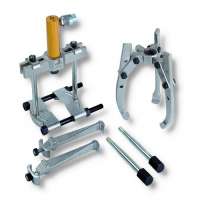
![]() PULLER SETS
PULLER SETS![]() EXHIBITORS
EXHIBITORS -
INTERNAL MECHANICAL PULLERS
![]() SLIDE HAMMER AND PUSH PULLERS
SLIDE HAMMER AND PUSH PULLERS![]() INTERNAL SELF CENTERING PULLER
INTERNAL SELF CENTERING PULLER![]() INTERNAL JAW PULLERS
INTERNAL JAW PULLERS![]() INTERNAL COLLETS
INTERNAL COLLETS![]() INTERNAL PULLERS SET
INTERNAL PULLERS SET -
HYDRAULIC PULLERS
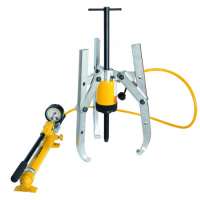
![]() HYDRAULIC SETS
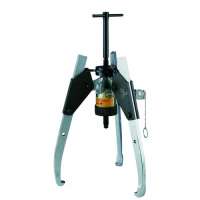
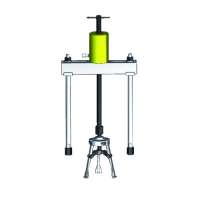
HYDRAULIC SETS![]() SELFCENTERING PULLER
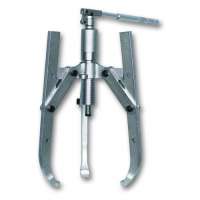
SELFCENTERING PULLER![]() 2/3 OSCILLATING JAWS
2/3 OSCILLATING JAWS![]() 4 TM HYDRAULIC PULLERS
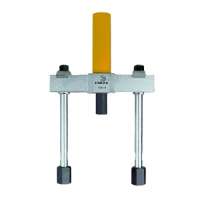
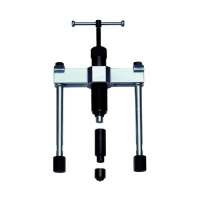
4 TM HYDRAULIC PULLERS![]() HYDRAULIC PUSH PULLER
HYDRAULIC PUSH PULLER![]() OTHER PULLERS AND HYDRAULIC PARTS
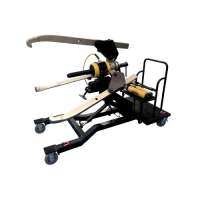
OTHER PULLERS AND HYDRAULIC PARTS![]() TROLLEY FOR 100 TON PULLERS
TROLLEY FOR 100 TON PULLERS -
COMPACT SPINDLE PULLER
![]() 6&8 TONES HYDRAULIC RAM PULLERS
6&8 TONES HYDRAULIC RAM PULLERS![]() 8 TONES HYDRAULIC RAM PULLERS
8 TONES HYDRAULIC RAM PULLERS![]() 12 TONES HYDRAULIC RAM PULLERS
12 TONES HYDRAULIC RAM PULLERS![]() 15 TONES HYDRAULIC RAM PULLERS
15 TONES HYDRAULIC RAM PULLERS -
PRESSES
![]() HYDRAULIC PRESSES
HYDRAULIC PRESSES -
OTHER EXTRACTIONS
![]() SPLIT PINS
SPLIT PINS![]() BOLTS
BOLTS![]() TAPER KEY
TAPER KEY![]() MOUNTING BEARING SETS
MOUNTING BEARING SETS![]() YACHT
YACHT
-
EXTERNAL MECHANICAL PULLERS
- WORKSHOP TOOL
-
HIGH PRECISION VICES
![]() DESCENDING EFFECT VICES
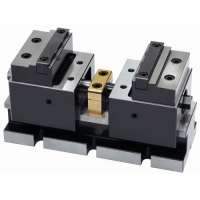
DESCENDING EFFECT VICES![]() DOUBLE POSITION VICES
DOUBLE POSITION VICES![]() SELF-CENTERING VICES
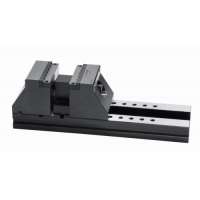
SELF-CENTERING VICES![]() STRAIGHT JAWS VICES
STRAIGHT JAWS VICES -
SOLUTIONS FOR LARGE WORKPIECES
![]() LIFTING BLOCKS AND EXTENDERS
LIFTING BLOCKS AND EXTENDERS![]() SPLIT MACHINE VICES
SPLIT MACHINE VICES![]() HIGH JAW MACHINE VICES
HIGH JAW MACHINE VICES![]() OTHER VICES
OTHER VICES -
VICES FOR 5 AXIS MACHINES
![]() SELF-CENTERING VICES FOR 5 AXIS MACHINES
SELF-CENTERING VICES FOR 5 AXIS MACHINES![]() LARGE VICES FOR 5 AXIS MACHINES
LARGE VICES FOR 5 AXIS MACHINES -
VICES
![]() TOMBSTONES FOR HORIZONTAL MACHINING CENTERS
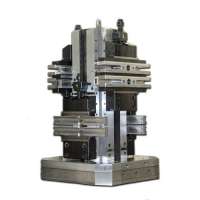
TOMBSTONES FOR HORIZONTAL MACHINING CENTERS![]() PYRAMIDS FOR 5 AXIS CENTERS
PYRAMIDS FOR 5 AXIS CENTERS -
DRILL PRESS VICES
![]() STANDARD VICE
STANDARD VICE![]() PROTECTED SPINDLE VICE
PROTECTED SPINDLE VICE![]() GRINDING VICE
GRINDING VICE -
DRILL PRESS VICES
![]() DRILL PRESS VICES
DRILL PRESS VICES![]() DRILL VICE ACCESSORIES
DRILL VICE ACCESSORIES -
MILLING HEADS
![]() MILLING HEADS
MILLING HEADS![]() MILLING HEAD ACCESSORIES
MILLING HEAD ACCESSORIES -
CLAMPING TOOLS
![]() CLAMPS ADN FASTENING SYSTEMS FOR TOOLING
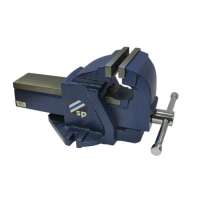
CLAMPS ADN FASTENING SYSTEMS FOR TOOLING![]() BENCH VICE AND REPLACEMENT JAWS
BENCH VICE AND REPLACEMENT JAWS -
TOOL HOLDERS AND KNURLING TOOLS
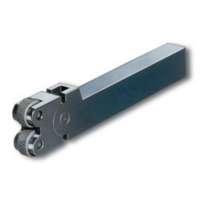
![]() KNURLING TOOLS
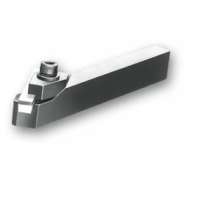
KNURLING TOOLS![]() TOOL HOLDERS
TOOL HOLDERS -
ACCESSORIES FOR VICES
![]() COMPLETE MECHANICAL SPINDLES
COMPLETE MECHANICAL SPINDLES![]() TORQUE MULTIPLIER
TORQUE MULTIPLIER![]() OILPNEUMATIC SPINDLE
OILPNEUMATIC SPINDLE![]() SWIVEL BASE
SWIVEL BASE![]() JAWS AND PARALLELS
JAWS AND PARALLELS![]() JAW HOLDERS
JAW HOLDERS![]() OTHER ACCESSORIES
OTHER ACCESSORIES
-
HIGH PRECISION VICES
- CUTTING
-
CIRCULAR PUNCHES
![]() HYDRAULIC KNOCK OUT PUNCHES
HYDRAULIC KNOCK OUT PUNCHES![]() CIRCULAR KNOCK OUT PUNCHES
CIRCULAR KNOCK OUT PUNCHES![]() SIZES FOR AMERICAN MARKET
SIZES FOR AMERICAN MARKET -
OTHER PUNCHES
![]() HYDRAULIC KNOCK OUT PUNCHES
HYDRAULIC KNOCK OUT PUNCHES![]() KNOCK OUT PUNCHES
KNOCK OUT PUNCHES![]() SETS AND EXHIBITORS
SETS AND EXHIBITORS -
LENOX
![]() HACK SAW FRAMES AND BLADES
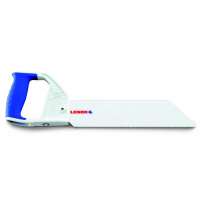
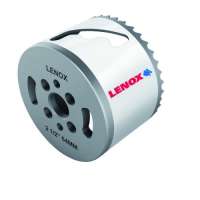
HACK SAW FRAMES AND BLADES![]() HOLE SAWS AND OTHERS
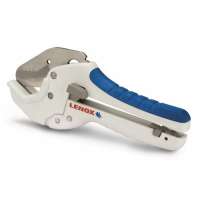
HOLE SAWS AND OTHERS![]() TUBE CUTTERS
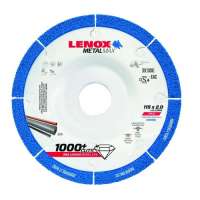
TUBE CUTTERS![]() CUTTING DISC
CUTTING DISC![]() JIG SAW BLADES
JIG SAW BLADES![]() SAW BLADES
SAW BLADES![]() OTHER LENOX TOOLS
OTHER LENOX TOOLS -
HOLLOW PUNCHES
![]() SETS
SETS![]() HOLLOW PUNCHES SPARE PARTS
HOLLOW PUNCHES SPARE PARTS![]() INTERCHANGE HOLLOW PUNCHES
INTERCHANGE HOLLOW PUNCHES
-
CIRCULAR PUNCHES
- AUTOMOTIVE TOOL
-
OIL FILTER WRENCH
![]() OIL FILTER WRENCHES
OIL FILTER WRENCHES![]() BAND TYPE OIL FILTER WRENCH
BAND TYPE OIL FILTER WRENCH![]() OTHER PULLERS
OTHER PULLERS -
BALL JOINT SEPARATOR
![]() DIRECT ACTION
DIRECT ACTION![]() SPINDLE BALL JOINT SEPARATORS
SPINDLE BALL JOINT SEPARATORS![]() OTHER BALL JOINT SEPARATORS
OTHER BALL JOINT SEPARATORS![]() FORK TYPE
FORK TYPE -
INJECTORS AND GLOW PLUGS
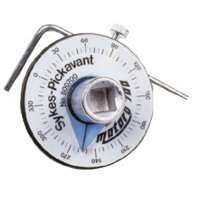
![]() TORQUE CHECK
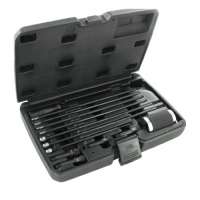
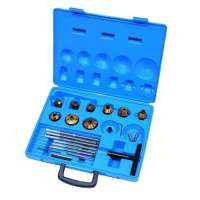
TORQUE CHECK![]() VALVE SEATS REMOVER SET
VALVE SEATS REMOVER SET![]() GLOW PLUG PULLER
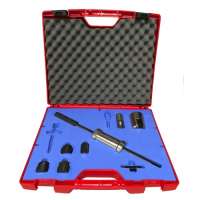
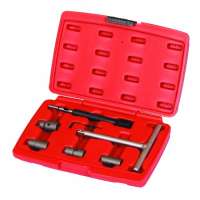
GLOW PLUG PULLER![]() INJECTORS PULLERS
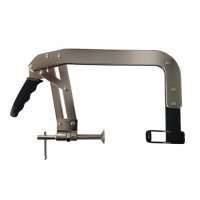
INJECTORS PULLERS![]() VALVE SEAT CUTTERS
VALVE SEAT CUTTERS![]() INJECTOR SEAT CLEANER SET
INJECTOR SEAT CLEANER SET -
SUNSPENSION AND BRAKE
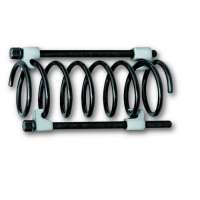
![]() COIL SPRING COMPRESOR
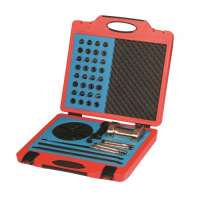
COIL SPRING COMPRESOR![]() HUB PULLER
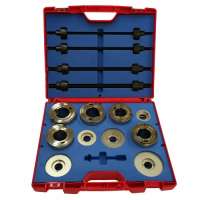
HUB PULLER![]() BUSHES REMOVE SETS
BUSHES REMOVE SETS![]() OTHER BRAKE TOOLS
OTHER BRAKE TOOLS![]() BRAKE PISTONS
BRAKE PISTONS![]() BRAKE PISTONS
BRAKE PISTONS -
WHEELS
![]() QUICK HEAD CHANGE AND PLASTIC HEADS
QUICK HEAD CHANGE AND PLASTIC HEADS![]() VALVE CORE REMOVERS
VALVE CORE REMOVERS![]() OTHER WHEEL TOOLS
OTHER WHEEL TOOLS -
AUTOMOBILE OTHERS
![]() BODY REPAIR TOOLS
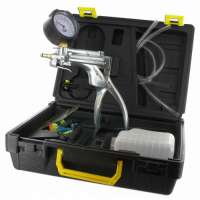
BODY REPAIR TOOLS![]() DIAGNOSTIC TOOLS
DIAGNOSTIC TOOLS![]() MAGNETIC PLATE PULLERS
MAGNETIC PLATE PULLERS![]() CYLINDER HONING SETS
CYLINDER HONING SETS![]() V-BELT PULLERS
V-BELT PULLERS![]() POWER BAR HAND
POWER BAR HAND![]() PLIERS BATTERY TERMINAL
PLIERS BATTERY TERMINAL![]() OTHER TOOLS
OTHER TOOLS
-
OIL FILTER WRENCH
- SCREW EXTRACTORS
- OTHER TOOLS
-
THREAD RESTORE
![]() THREAD REPAIR SETS
THREAD REPAIR SETS![]() FILES AND THREADING DIES
FILES AND THREADING DIES![]() EXTERNAL THREAD REPAIR TOOLS
EXTERNAL THREAD REPAIR TOOLS![]() INTERNAL THREAD REPAIR TOOLS
INTERNAL THREAD REPAIR TOOLS -
NUT SPLITTER AND WRENCH
![]() NUT SPLITTER
NUT SPLITTER![]() KM AND KMT NUT SPANNER
KM AND KMT NUT SPANNER![]() WRENCH
WRENCH -
CLAMPS, MULTI PROPS AND MAGNETIC HOLDERS
![]() MULTI PROPS
MULTI PROPS![]() CLAMPS
CLAMPS![]() OTHER
OTHER -
INSPECTION TOOLS
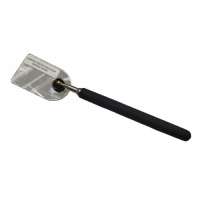
![]() MIRRORS
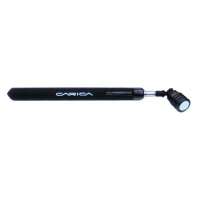
MIRRORS![]() MAGNETIC TOOLS
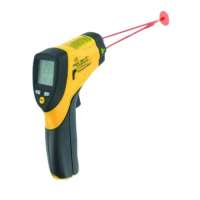
MAGNETIC TOOLS![]() MEASURE TOOLS
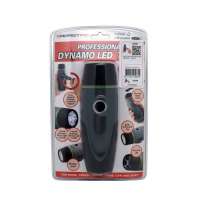
MEASURE TOOLS![]() TORCHES
TORCHES -
SEAL AND CHAIN TOOLS
![]() SEAL AND CHAIN TOOLS
SEAL AND CHAIN TOOLS -
PLIERS
![]() INTERNAL SNAP RING PLIERS
INTERNAL SNAP RING PLIERS![]() OTHER PLIERS
OTHER PLIERS -
FLARING TOOLS
![]() FLARING TOOLSFLARING TOOLS
FLARING TOOLSFLARING TOOLS -
PIN PUNCHES AND COLD CHISEL
![]() WITH ERGONOMIC HANDLE
WITH ERGONOMIC HANDLE![]() WITHOUT ERGONOMIC HANDLE
WITHOUT ERGONOMIC HANDLE![]() COLD CHISEL
COLD CHISEL -
GREASE AND ANTI-GREASING
![]() GREASE AND ANTI-GREASING
GREASE AND ANTI-GREASING
-
THREAD RESTORE
- SPARE PARTS
-
SPINDLES
![]() SPINDLES FOR FIX PULLERS
SPINDLES FOR FIX PULLERS![]() SPINDLES FOR EXTENSIONS
SPINDLES FOR EXTENSIONS![]() SPINDLE FOR SPLITTER
SPINDLE FOR SPLITTER![]() SPINDLES FOR OSCILATING PULLERS
SPINDLES FOR OSCILATING PULLERS![]() SPINDLES FOR SELF CENTERING PULLERS
SPINDLES FOR SELF CENTERING PULLERS![]() SPINDLES FOR MULTIPURPOSE PULLERS
SPINDLES FOR MULTIPURPOSE PULLERS![]() SPINDLES FOR BEARING PULLERS
SPINDLES FOR BEARING PULLERS![]() SPINDLES FOR COLLETS
SPINDLES FOR COLLETS![]() COMPLETE SPINDLE FOR INTERNAL PULLERS
COMPLETE SPINDLE FOR INTERNAL PULLERS![]() SPINDLES FOR HYDRAULIC PULLERS
SPINDLES FOR HYDRAULIC PULLERS -
JAWS
![]() JAWS FOR FIX PULLERS
JAWS FOR FIX PULLERS![]() JAWS FOR OSCILLATING PULLERS
JAWS FOR OSCILLATING PULLERS![]() JAWS FOR SELF CENTERING PULLERS
JAWS FOR SELF CENTERING PULLERS![]() JAWS FOR REVERSIBLE PULLERS
JAWS FOR REVERSIBLE PULLERS![]() JAWS FOR MULTIPURPOSE PULLERS
JAWS FOR MULTIPURPOSE PULLERS![]() JAWS FOR THIN JAW PULLERS
JAWS FOR THIN JAW PULLERS![]() JAWS FOR BEARING PULLERS
JAWS FOR BEARING PULLERS![]() JAWS FOR SCICSSORS PULLERS
JAWS FOR SCICSSORS PULLERS![]() JAWS FOR INTERNAL PULLERS
JAWS FOR INTERNAL PULLERS![]() EXTENSIONS
EXTENSIONS![]() PATAS PARA EXTRACTOR DE CUBOS
PATAS PARA EXTRACTOR DE CUBOS -
PULLERS
![]() SCREW EXTRACTORS
SCREW EXTRACTORS![]() BEARING ASSEMBLER
BEARING ASSEMBLER![]() ADAPTORS
ADAPTORS![]() TUERCAS
TUERCAS![]() REPAIR KIT
REPAIR KIT![]() COLLETS
COLLETS![]() SELF CENTERING PULLER
SELF CENTERING PULLER![]() BALL BEARING PULLERS
BALL BEARING PULLERS![]() POINT PROTECTORS
POINT PROTECTORS![]() MUELLES
MUELLES -
HYDRAULIC PART
![]() CYLINDERS
CYLINDERS![]() BOMBA
BOMBA![]() SILLETAS
SILLETAS -
KNOCK OUT PUNCHES
![]() MANUAL KNOCK OUT PUNCHES
MANUAL KNOCK OUT PUNCHES![]() HYDRAULIC KNOCK OUT PUNCHES
HYDRAULIC KNOCK OUT PUNCHES -
AUTOMOTIVE
![]() EXTRACTORES DE FILTROS
EXTRACTORES DE FILTROS![]() BALL JOINT SEPARATOR
BALL JOINT SEPARATOR![]() SILENTBLOCK
SILENTBLOCK![]() EXTRACTOR DE LIMPIAPARABRISAS
EXTRACTOR DE LIMPIAPARABRISAS![]() INYECTORS
INYECTORS![]() VALVE SEATS REMOVER SET
VALVE SEATS REMOVER SET![]() EXTRACTORES DE BUJES
EXTRACTORES DE BUJES![]() OTHERS
OTHERS -
OTHER TOOLS
![]() THREAD RESTORE
THREAD RESTORE![]() NUT SPLITTER
NUT SPLITTER![]() EXTRACTORES DE PASADORES ROSCADOS
EXTRACTORES DE PASADORES ROSCADOS -
EXHIBITORS AND BOXES
![]() METAL DISPLAYS
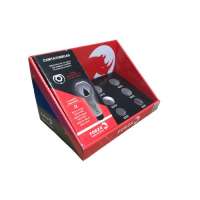
METAL DISPLAYS![]() CARDBOARD DISPLAYS
CARDBOARD DISPLAYS![]() METAL BOXES
METAL BOXES -
VINO
![]() GOBELET VINO
GOBELET VINO
-
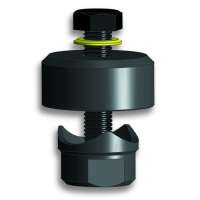
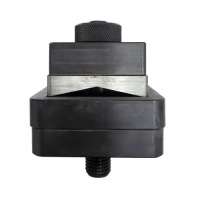
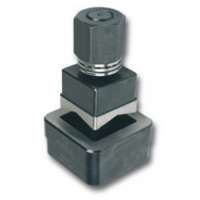
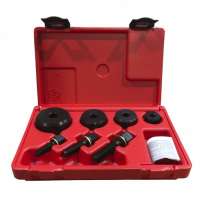
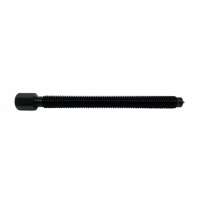
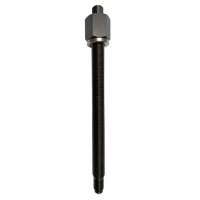
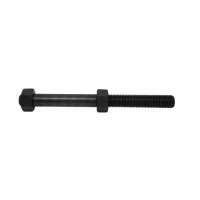
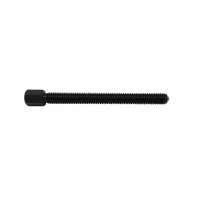
SPINDLES
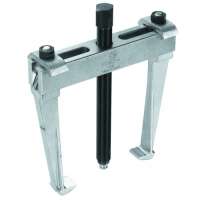
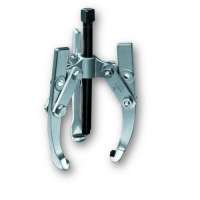
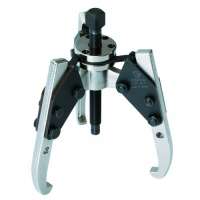
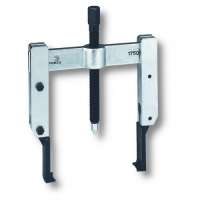
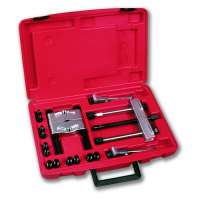
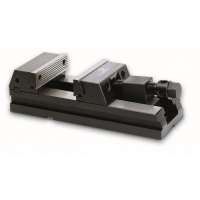
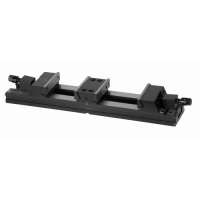
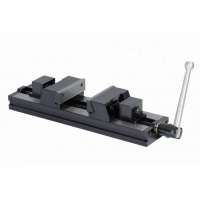
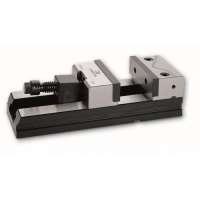
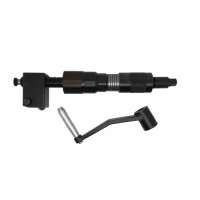
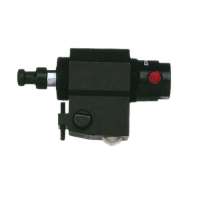

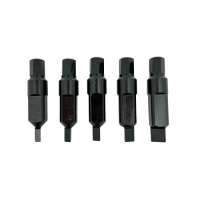
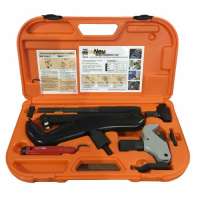
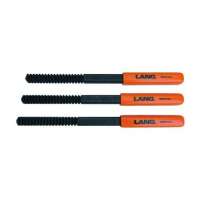
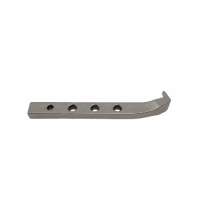
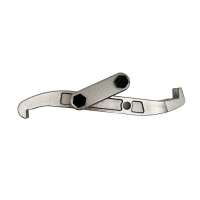
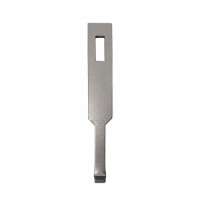
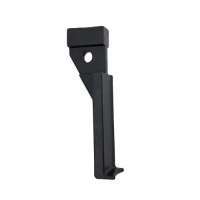
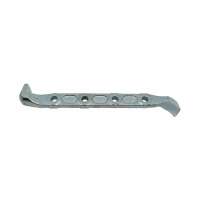
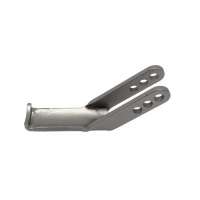
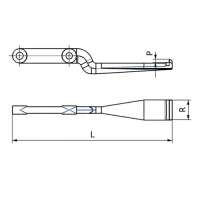
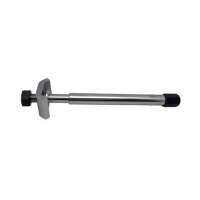


- Home
- Forza Academy
Forza Academy

Click to discover explanatory videos about our products.
Please send your enquiries and orders to: ventas@forza.es
MACHINE WITH FORZA
MACHINING WITH FORZA: HOW TO CLAMP A LARGE WORKPIECE WITH LOW HEIGHT
NEW PYRAMIDS AND INTEGRATED TOWERS FOR 5-AXIS AND MULTI-PALLET SYSTEMS
FORZA PYRAMIDS FOR 5-AXIS CENTERS
Discover FORZA
FORZA 50 ANNIVERSARY EXTENDED VERSION
FORZA 50 ANNIVERSARY
PULLERS
Self centering puller
2 jaws serie 2400
Internal jaw puller serie 4704
Bearing Puller
MACHINE VICES
Machine vice working
Machine vice
5 axis machine vice,1
5 axis machine vice,2
5 axis machine vice,3
5 axis machine vice,4
Machine vice to square
Self centering machine vice
FORZA DRILLING MACHINE VICE
How machine vices are manufactured
Self-centering vice 5 axes working
INTERNAL MILLING HEAD
Internal milling head working
Internal milling head assembly
Internal milling head
KNOCKOUT PUNCHES
CIRCULAR KNOCK OUT PUNCHES FORZA
FORZA HYDRAULIC KNOCK OUT PUNCHES
KM NUT SPANNER
KM nut spanner
LENOX
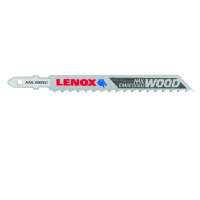
Power Arc Jig Saw Blade
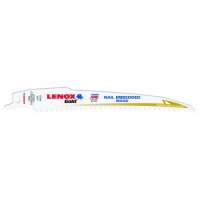
Jig Saw Blade with Power Blast Technology
LENOX SPEED SLOT Hole Saw - Wood Cutting
LENOX SPEED SLOT Hole Saw - Metal Cutting
LENOX SPEED SLOT Hole Saw
LENOX® METALMAX
Lenox Power Blast - WOOD
Tecnología Lenox Power Blast
Lenox Power Blast - METAL
Lenox Power Blast - LAZER
Lenox Power Blast - DEMOLITION
LENOX® SPEED SLOT® Competition comparative
AUTOMOBILE TOOLS
Hub puller set
Valve core remover
Wheel valves insertion and removal tool
Hub puller set
Silentblock puller VAG
Silentblock puller
Silentblock puller BMW
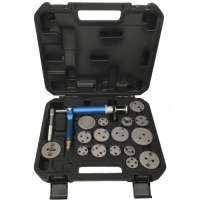
Break pistons spreader
BAND AND TYPE OIL FILTER WRENCH
BROKEN SCREW PULLERS
Broken screw pullers
Extract bolt broken flush with surface
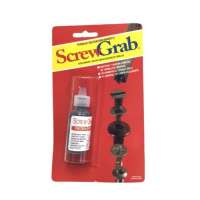
Screw Grab
THREAD RESTORE
Thread restore
Internal thread repair tools NES
External thread repair tools NES
Other FORZA Tools
Quick action wrench
MECHANICAL NUT SPLITTERS SET FORZA